EV Hubby
Sri Lanka · EV research & discovery

Everything you need to go electric.

Browse every EV in Sri Lanka, compare them side by side, and get the local data and tools to choose with confidence — free.
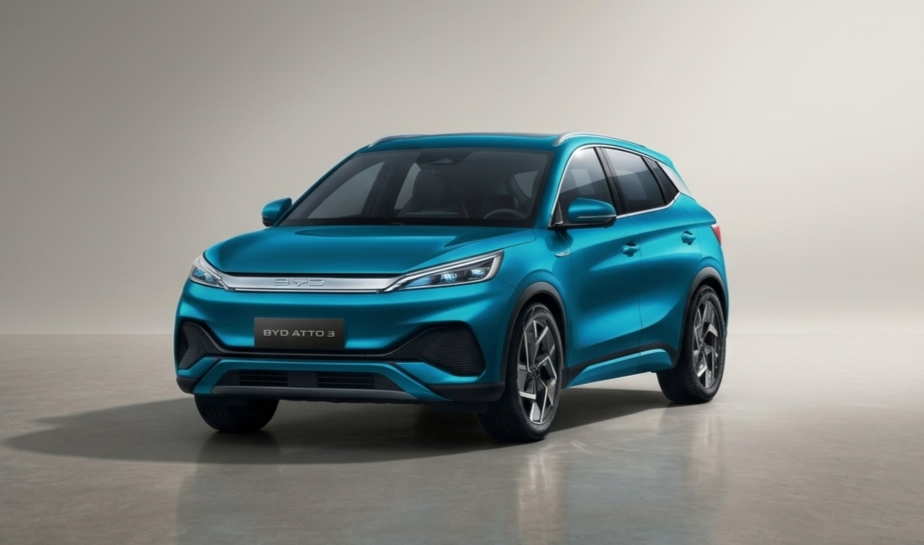
FEATUREDBYD Atto 3
BYD Atto 3
from LKR 14.7M
480 kmWLTP range
10.1 s0–100 km/h
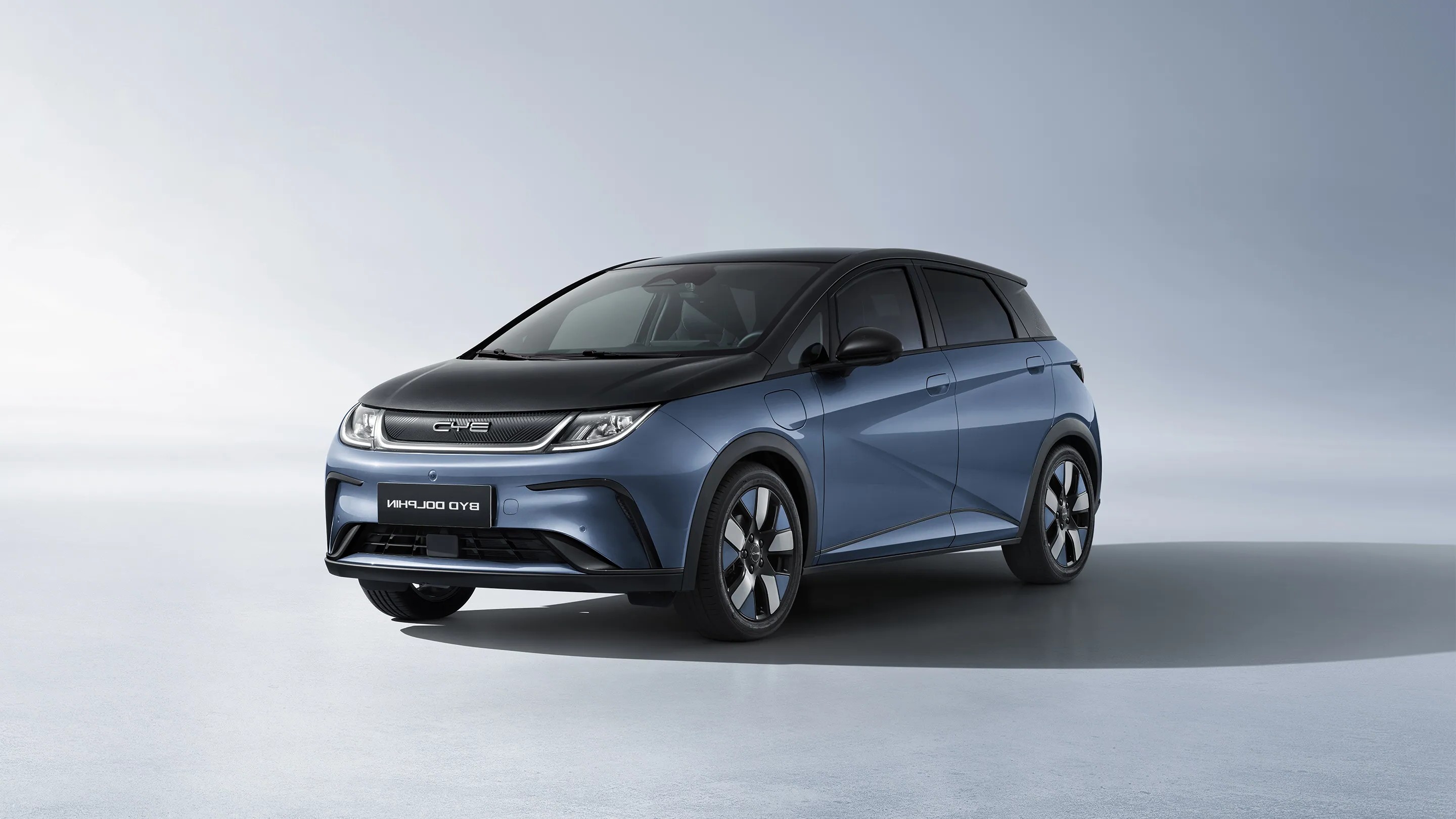
FEATUREDBYD Dolphin
BYD Dolphin
from LKR 10.7M
410 kmWLTP range
0–100 km/h
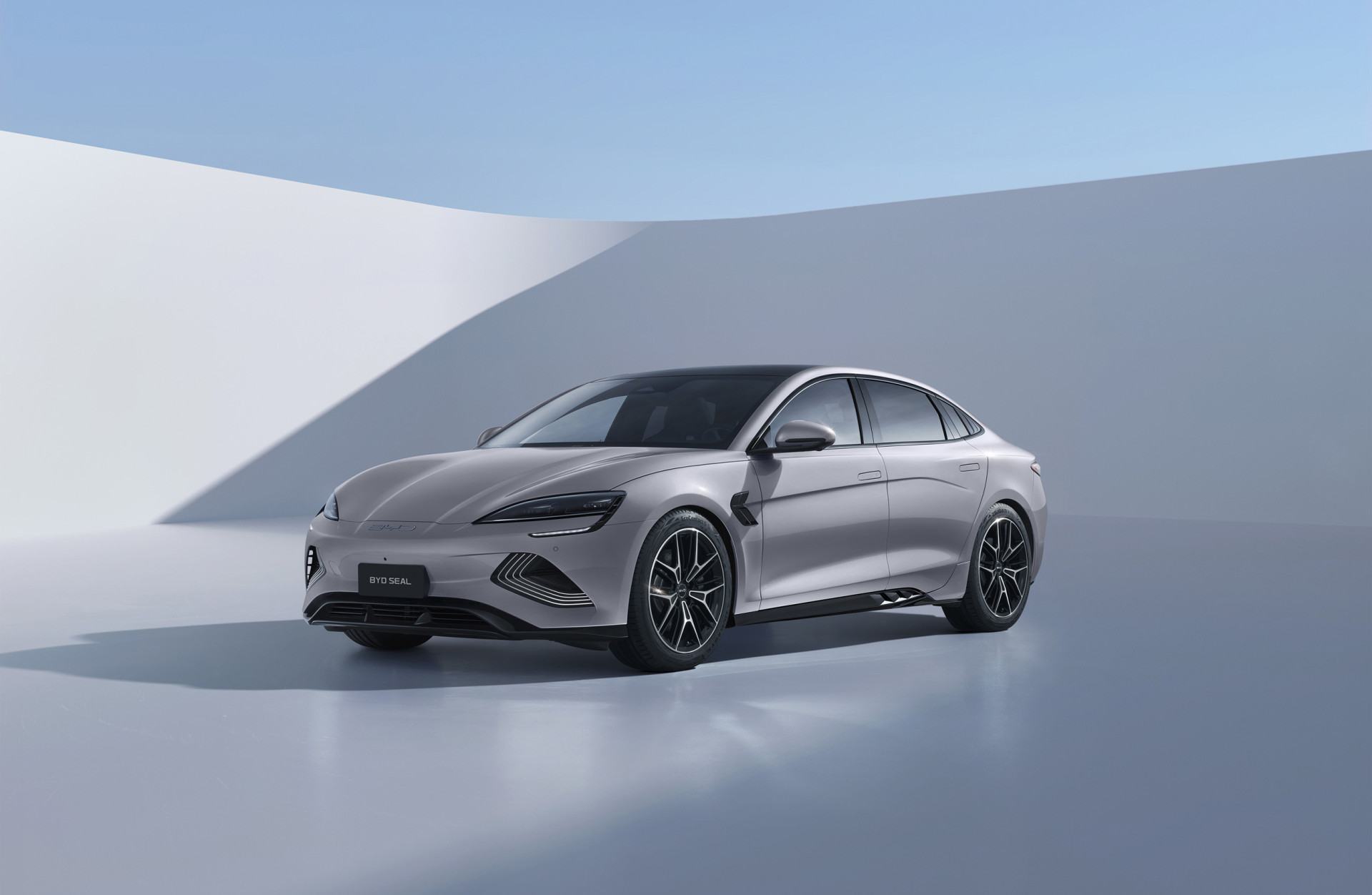
FEATUREDBYD Seal
BYD Seal
from LKR 19.7M
650 kmWLTP range
5.9 s0–100 km/h
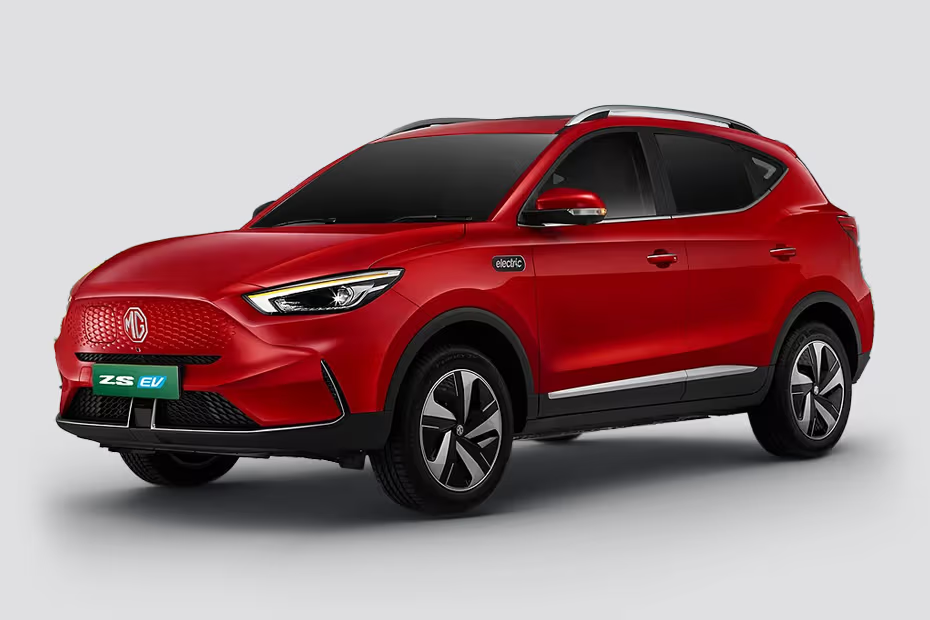
FEATUREDMG ZS EV
MG ZS EV
from LKR 14.2M
440 kmWLTP range
8.4 s0–100 km/h
71EVs in the catalogue
33brands & 17 dealers
7,239EV cars registered · 2025
97public chargers mapped

Browse the catalogue

Every electric vehicle available in Sri Lanka, by type.

Must-know things before you buy an EV

Four checks that decide whether the car actually fits Sri Lanka. Do these before you fall in love with a brochure.
All about EV charging
01

Check which charging ports it has

Stick to CCS2 (DC fast charging) and Type 2 (AC) — that is what Sri Lanka’s public network and every home wall box use. Public charging is very hard on a grey import with GB/T or Type 1 — those connectors aren’t available at most locations.

CCS2 + Type 2
02

Check the maximum charging power

Every EV has two limits — an AC one set by its onboard charger (often 6.6–11 kW) and a DC one (often 60–150 kW). The AC figure decides your nights; a 22 kW wall box adds nothing to a 7 kW car.

AC kW and DC kW
03

Check the charging voltage

Most EVs here run 400 V packs; a few newer ones run 800 V. Public DC units in Sri Lanka are mostly 30–60 kW, so the charger — not the car — is usually the limit. Confirm the car matches the supply you actually have.

400 V vs 800 V
04

Check it against where you'll charge

Find out whether your house is single-phase (230 V) or three-phase (400 V) and what your main breaker allows — that, not the brochure, sets your real overnight speed. In an apartment, settle permission and metering first.

Home supply first
Power (kW) = Volts (V) × Amps (A) ÷ 1000
Voltage (V)Electrical pressure. Sri Lankan homes are 230 V single-phase; three-phase is 400 V.How hard the electricity is pushed
Current (A)How much electricity flows. Your breaker and wall box set this — 13 A socket, 16 A or 32 A box.The rate of flow
Power (kW)Volts × amps — the “charging speed” on every spec sheet. 230 V × 32 A = 7.4 kW.How fast energy actually moves
Charging time ≈ battery kWh ÷ charging kW (plus ~10% losses). A 50 kWh battery on a 7.4 kW home box is about seven hours — an overnight charge.

Popular right now

Range, acceleration, and the price that matters here.
All EVs

Tools & guides

Everything to research, compare and own an EV.
◆ EV Charger Hub × Volt Charge · open data

Sri Lanka’s EV shift, in numbers you can cite.

7,239EV cars · 2025
90%BYD share
16×YoY growth
See the data →

Latest guides

All guides